Home » Climbing Kilimanjaro » Climbing Kilimanjaro Guide – 2026/2028
Climbing Kilimanjaro: Everything a Beginner Needs to Know
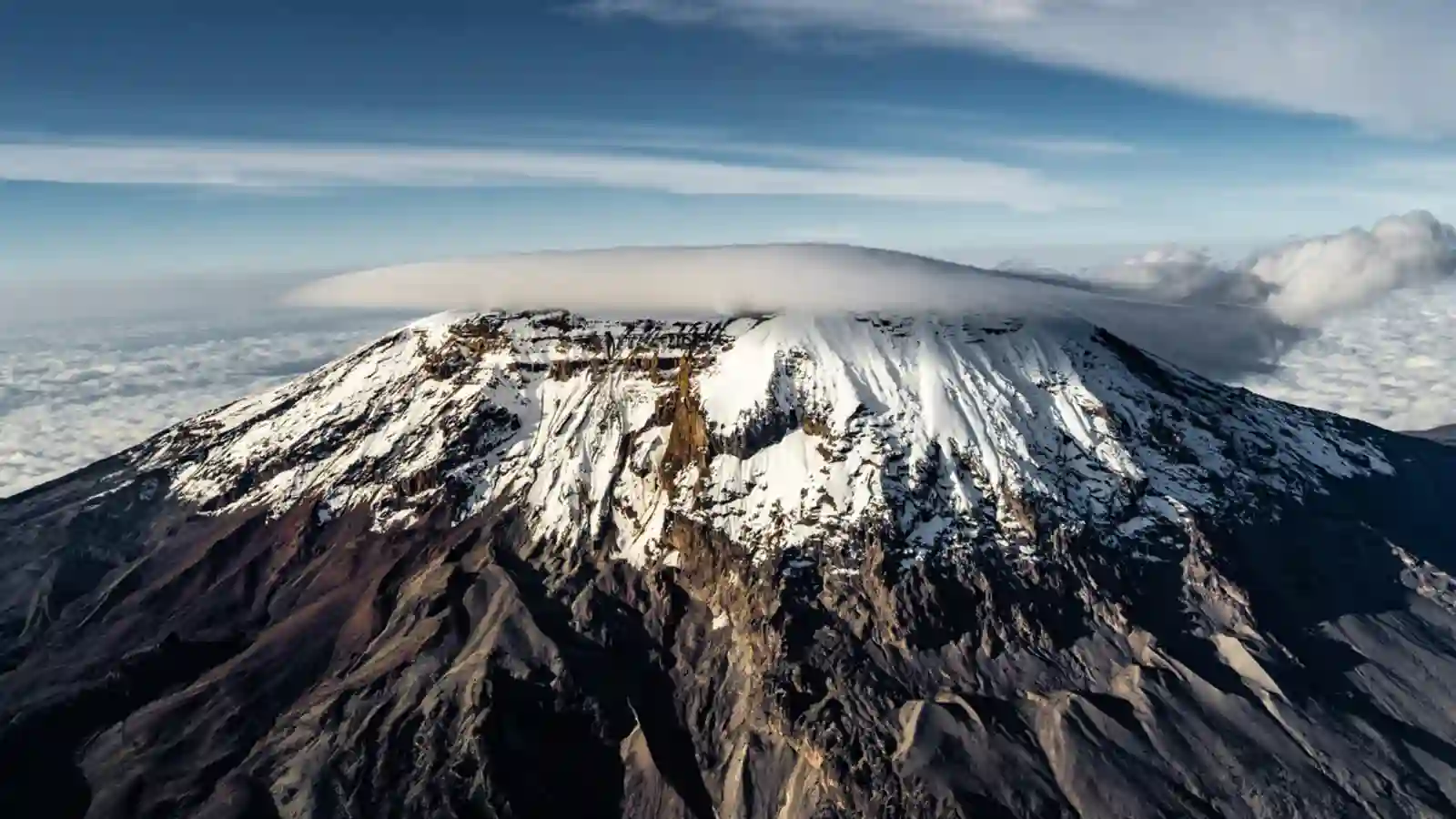
Mount Kilimanjaro rises to 5,895 m (19,341 ft) above sea level, making it the highest free-standing mountain in the world and famously known as the “Roof of Africa.”
As one of the continent’s most sought-after travel experiences, Kilimanjaro offers an extraordinary trekking adventure that does not require technical climbing skills. With proper preparation and a good average level of fitness, reaching the summit is an achievable goal for many first-time climbers.
This comprehensive guide is designed to help you prepare for your once-in-a-lifetime Kilimanjaro journey. Inside, you’ll find everything you need to know — from summit success rates and route comparisons to costs, training advice, acclimatization strategies, safety tips, insurance guidance, and what to expect upon arrival in Tanzania — all based on years of on-the-ground mountain expertise.
Routes such as the Lemosho Route, Machame Route, Rongai Route, and the Northern Circuit have the highest summit success rates on Mount Kilimanjaro, especially when completed over seven days or more. Their gradual ascent profiles give climbers better time to adjust to altitude.
We recommend a 7–8 day itinerary to allow proper acclimatization, significantly reduce the risk of Acute Mountain Sickness (AMS), and improve your overall chances of safely reaching the summit.
How Tough Is Reaching the Summit of Mount Kilimanjaro?
Can First-Time Climbers Successfully Summit Mount Kilimanjaro?
Yes — even if you have no prior trekking experience, climbing Mount Kilimanjaro is absolutely achievable for beginners. Unlike technical mountains that require ropes, ice axes, or advanced climbing skills, Kilimanjaro is a non-technical trek. What truly determines your success is not mountaineering experience, but how well your body adapts to the altitude. Proper acclimatization is the most important factor, which is why choosing a longer 7–8 day route significantly increases your chances of safely reaching the summit.
To maximize your success, it’s essential to book with a professional and experienced outfitter who prioritizes safety, provides quality equipment, and employs well-trained mountain guides. Following your guides’ pacing, hydration advice, and safety instructions throughout the journey plays a critical role in helping you reach Uhuru Peak comfortably and confidently. With the right preparation, mindset, and support team, even first-time trekkers can stand on Africa’s highest point.
Based on our experience with 7–8 day itineraries, summit success rates on Mount Kilimanjaro are exceptionally high, giving climbers the best possible chance of standing on Africa’s highest peak.
At the heart of these expeditions are certified Wilderness First Responder (WFR) guides, professionally trained by our in-house safety expert. Every climb is supported with unlimited bottled oxygen, comprehensive high-altitude medical kits, high-quality branded gear, and carefully selected routes designed for smooth and effective acclimatization — all working together to ensure maximum safety, comfort, and success on the mountain.
Kilimanjaro Tours
Planning to climb Mount Kilimanjaro? Discover our beginner-friendly 12-day adventure, featuring a seven-day guided ascent to the summit. After conquering Africa’s highest peak, relax on a two-day safari through the breathtaking Tarangire National Park and Ngorongoro Conservation Area. This well-rounded journey lets you experience Tanzania’s iconic highlights, with dedicated arrival and departure days plus a scheduled rest day for comfort and smooth travel.
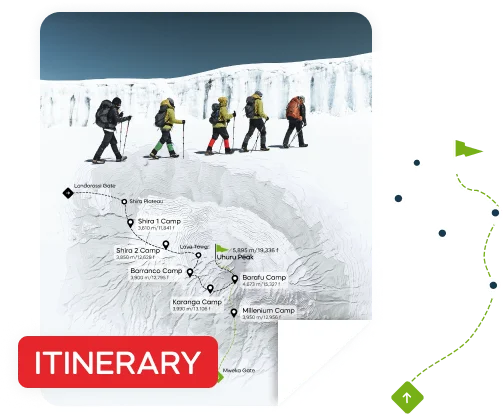
Check this sample Kilimanjaro itinerary
Lemosho Route 7-day program Beginner-friendly
Essential Things to Know Before Climbing Mount Kilimanjaro.
When Is the Best Time to Climb Mount Kilimanjaro?
Late December to early March, and mid-June to late October, are widely considered the best times to climb Mount Kilimanjaro, as weather conditions are generally dry, stable, and ideal for trekking. These months offer clearer skies, better trail conditions, and higher overall summit success rates.
While the remaining months fall within the rainy seasons, this does not mean continuous heavy downpours. Rain typically begins in the afternoon, leaving trekkers with clear mornings for hiking. There are also occasional dry days even during the wetter periods, allowing for rewarding climbs with fewer crowds. Understanding the seasonal patterns helps you choose the right time based on your preferences for weather, scenery, and trail traffic.
How Much Does It Cost to Climb Mount Kilimanjaro?
As of 2025, a comfortable and professionally operated 7-day climb of Mount Kilimanjaro typically costs around $2,900 per person for a group departure. Shorter 5–6 day programs or special seasonal offers generally range between $2,300 and $2,500. A significant portion of this price — roughly 35% — goes directly toward mandatory national park fees, which are set by the authorities and apply to every licensed operator. If a company advertises prices far below this range, it is important to proceed with caution.
Extremely low prices often come at a hidden cost. Budget operators frequently underpay and underfeed porters, compromising both crew welfare and overall expedition safety. Ethical climbing standards, proper wages, quality equipment, and well-trained guides are essential for a safe and responsible ascent. For a detailed breakdown of expenses and what is included, we recommend reviewing our in-depth guide on Kilimanjaro climbing costs.
How Do I Prepare Physically for Mount Kilimanjaro?
A moderate level of fitness is essential for a comfortable and successful climb of Mount Kilimanjaro. Ideally, you should be able to run 5 km (3 miles) without excessive strain and complete a 10 km (6+ miles) hike in a single day while maintaining steady energy levels. The climb is not technical, but it does require endurance, stamina, and the ability to walk for several consecutive days at high altitude.
To prepare effectively, focus on cardio-based activities such as swimming, cycling, running, and regular hiking — especially on trails with elevation gain. Consistent training over several weeks will significantly improve your comfort on the mountain. For a structured approach, explore our detailed Kilimanjaro training plan for step-by-step guidance.
Health Risks and Altitude Challenges on Kilimanjaro
The primary danger when climbing Mount Kilimanjaro is Acute Mountain Sickness (AMS), which occurs when the body fails to properly acclimatize to high altitude. In rare but serious cases, AMS can progress to cerebral or pulmonary edema — both life-threatening conditions. These complications account for approximately ten fatalities per year on the mountain.
The good news is that AMS is largely preventable with the right approach. Choosing a seven-day (or longer) itinerary significantly improves acclimatization. Staying well hydrated, maintaining a slow and steady pace, and allowing your body time to adapt are critical factors for a safe ascent. Just as important is climbing with experienced guides. Always select an operator whose Kilimanjaro team includes certified Wilderness First Responders (WFR), trained to recognize symptoms early and manage emergencies or evacuations if necessary.
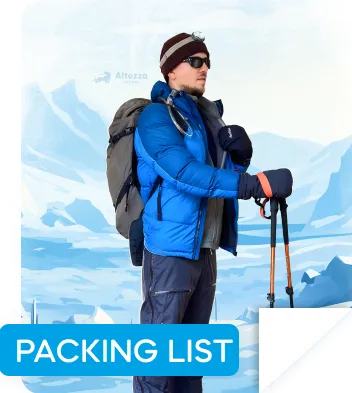
View the Complete Packing List
What to Pack to Climb Mount Kilimanjaro?
A trek up Mount Kilimanjaro passes through five climatic zones, from tropical rainforest to near-Arctic conditions at the summit. Temperatures can range from -15°C (5°F) at night near the top to +20°C (68°F) at the base, and the weather can shift quickly from sunshine to rain or wind. To stay safe and comfortable, you’ll need proper layered clothing, sturdy waterproof boots, a warm sleeping bag, trekking poles, and other essential high-altitude gear.
Top Kilimanjaro Routes for a Successful Summit
Known as the “Whiskey Route,” the Machame Route is one of the most popular paths on Mount Kilimanjaro, celebrated for its stunning scenic diversity. The trail passes through lush rainforest, moorland, and alpine desert before reaching the summit. It is typically offered as a 6- or 7-day itinerary, with the 7-day option strongly recommended for better acclimatization and higher summit success.
Pros: Exceptionally scenic with diverse landscapes; strong acclimatization profile on the 7-day itinerary.
Cons: Can be busy during peak climbing seasons; the 6-day program allows less time for altitude adjustment.
Beginning on the western slope of Mount Kilimanjaro, the Lemosho Route is widely praised for its sweeping panoramic views and excellent acclimatization profile. The route offers 6- to 8-day itineraries and merges with the Machame trail near Lava Tower. On the 6- and 7-day options, climbers start with a high-elevation drop-off, helping to accelerate the acclimatization process from the very beginning.
Pros: Very high summit success rate due to gradual ascent; crosses the scenic Shira Plateau.
Cons: Can be busy during peak seasons; generally more expensive than some other routes.
Known as the “Coca-Cola Route,” the Marangu Route is the only trail on Mount Kilimanjaro that offers hut accommodations instead of camping. Beginning on the eastern slope, it features 5- or 6-day itineraries, with overnight stays in dormitory-style mountain huts.
Pros: Hut accommodations provide added comfort; generally a more budget-friendly option.
Cons: The same trail is used for both ascent and descent; shorter itineraries can make proper acclimatization more challenging.
Approaching from the northern side of Mount Kilimanjaro, the Rongai Route offers a drier and generally less crowded climbing experience. With 6- or 7-day itineraries available, it is often considered a strong choice during the rainy seasons due to lower rainfall on this side of the mountain.
Pros: Receives less rain and sees fewer trekkers; features varied scenery, including coniferous forests.
Cons: Requires a longer drive to reach the trailhead; the 6-day option may not allow sufficient time for proper acclimatization.
The Umbwe Route is the steepest and most direct trail on Mount Kilimanjaro, making it best suited for experienced trekkers looking for a demanding adventure. Offered in 6- or 7-day itineraries, it joins the Machame Route around the second day of the climb.
Pros: Least crowded route; delivers a challenging and highly rewarding ascent.
Cons: Very steep initial climb; the 6-day option is not recommended for beginners due to limited acclimatization time.
The Northern Circuit is the newest and longest trail on Mount Kilimanjaro, offering an 8-day journey that circles the mountain. This extended route provides outstanding acclimatization and a quieter, more remote experience compared to other paths.
Pros: Excellent summit success rate due to gradual ascent; panoramic views with minimal crowds.
Cons: Longer duration means higher overall cost and greater time commitment; requires solid endurance for consecutive trekking days.
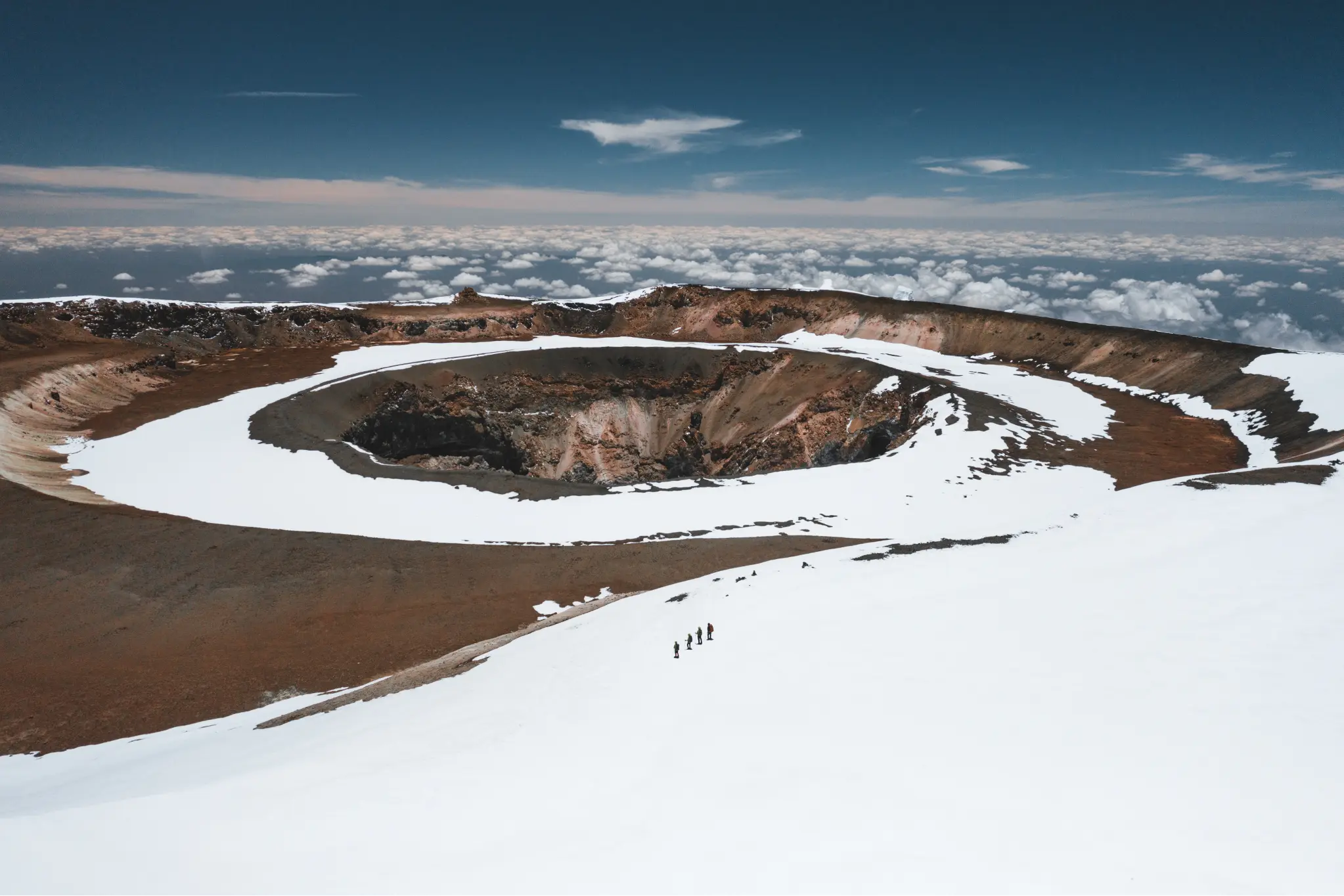
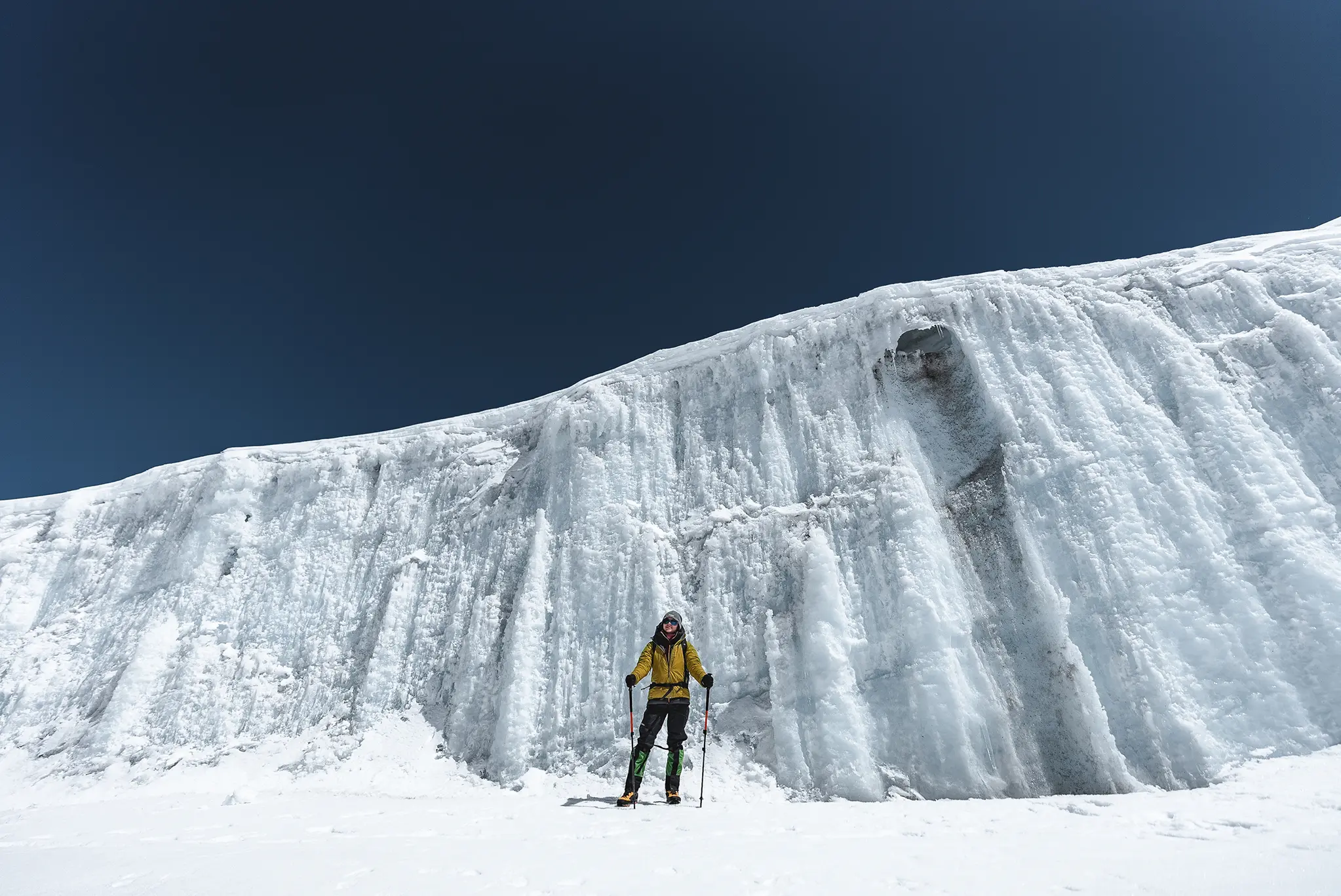
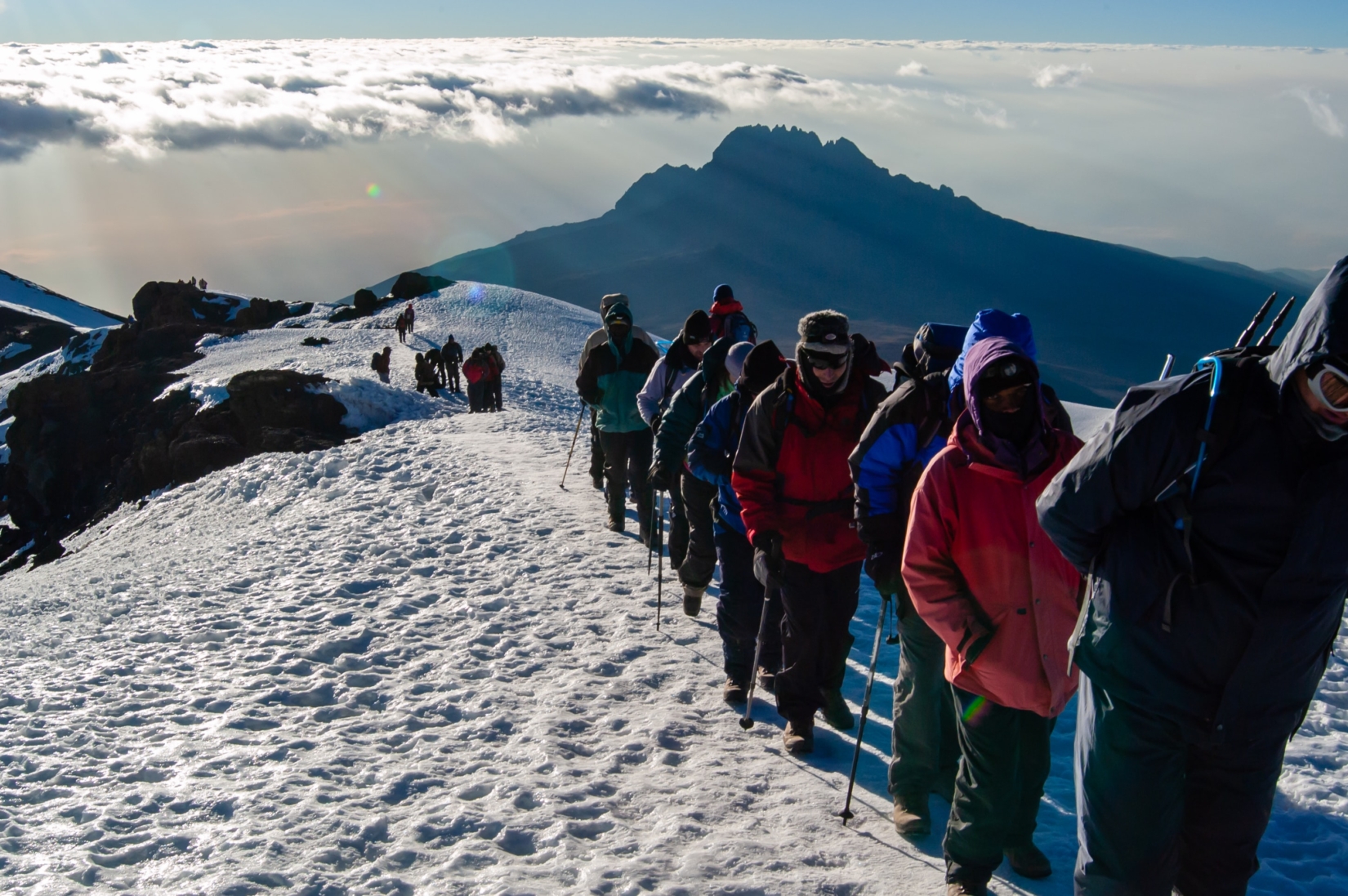
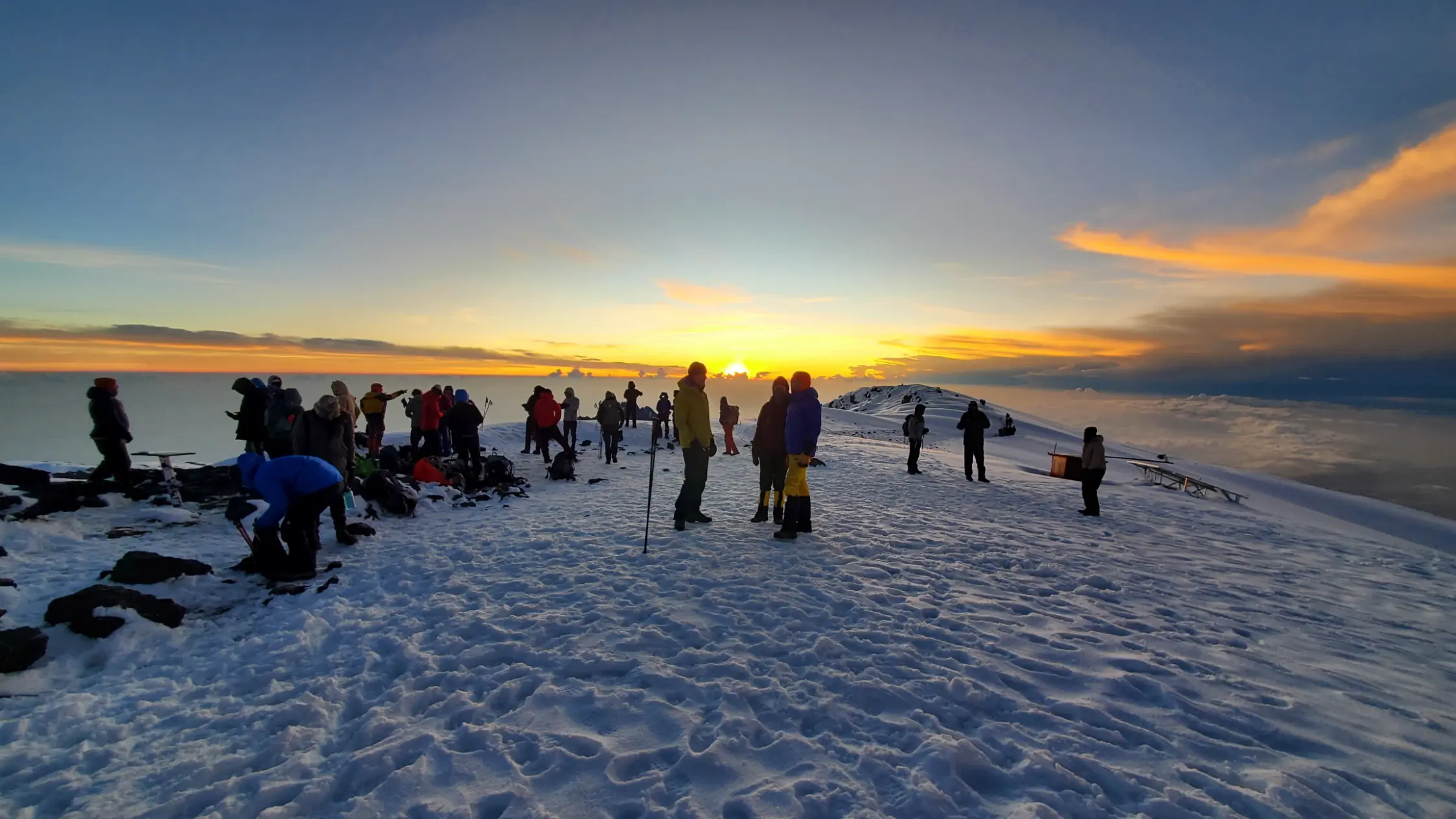
Choose a private climb on Mount Kilimanjaro for a fully personalized adventure. It’s just you, your family or friends, and our expert mountain team — moving on your schedule, at your preferred pace, with an itinerary carefully tailored to your goals and comfort level. This option is perfect for travelers who value privacy, flexibility, and a more exclusive experience on Africa’s highest peak.
Alternatively, join one of our open-group climbs and share the journey with fellow trekkers from around the world. Group departures create a strong sense of camaraderie and team spirit, offering the opportunity to connect with like-minded adventurers while enjoying the same professional service, safety standards, and expert guidance throughout the expedition.
Why Choose Nuru Expeditions for Your Mount Kilimanjaro Climb
Discover what sets us apart as one of the most trusted and thoroughly prepared operators on Mount Kilimanjaro — from uncompromising safety standards and expert training to meticulous attention to every detail on the mountain.
How to Book Your Mount Kilimanjaro Adventure with Nuru Expeditions
Booking your Mount Kilimanjaro climb with Nuru Expeditions is easy — secure your spot with just a $100 deposit. Once confirmed, you’ll gain access to your personal trip account, where you can conveniently provide medical details, allergies, dietary preferences, and gear information.
From the moment you book, your dedicated travel consultant will guide you through every step of the preparation process — answering questions, offering expert advice, and ensuring you are fully prepared for a safe, confident, and successful summit experience